
Introduction Core Principles health benefits Key Application |
What is Alexander Technique?
The Alexander Technique is a psychophysical educational approach that explores the dynamic relationship among conscious awareness, movement, and patterns of bodily use. Developed by Australian actor F. Matthias Alexander in the late nineteenth century, the Technique is grounded in the principle that psychological and physical processes function as an integrated whole. Through the cultivation of conscious awareness and intentional coordination, individuals learn to recognize and modify habitual patterns that may interfere with efficient and adaptive movement.
Patterns of muscular tension and postural organization often develop habitually and operate largely outside conscious awareness. The Alexander Technique provides a systematic educational process through which individuals learn to identify these patterns, inhibit unnecessary responses, and cultivate more efficient alternatives. In this way, the Technique promotes greater psychophysical awareness, functional coordination, and freedom of choice, enabling individuals to engage in everyday activities with greater ease, adaptability, and conscious control.

Awareness and Inhibition
Cultivate awareness of habitual patterns of muscular tension and develop the capacity to pause and inhibit automatic responses before initiating movement.
Direction and Primary Control
Employ conscious direction to promote coordinated relationships among the head, neck, back, and limbs, facilitating greater freedom of movement while reducing unnecessary muscular effort.
Freedom of Choice
Develop greater freedom from habitual psychophysical patterns by cultivating conscious choice and allowing postural organization to emerge through natural reflexive mechanisms rather than imposed muscular correction.
Examples of health benefits
Chronic back pain:
Compared to usual medical care, Alexander Technique lessons can provide significant, long-term relief from chronic back pain and associated functional impairment.
Neurological conditions:
It supports improvements in the ability to perform daily activities for people with Parkinson’s disease and may enhance balance and respiratory function in older adults.
Mind-body coordination:
It helps alleviate anxiety, improves breathing efficiency, and fosters coordinated muscle function rather than antagonistic muscle action.
Key Application Scenarios
Performing Arts
The Alexander Technique is widely applied in music, theatre, and dance to enhance psychophysical coordination, movement efficiency, performance awareness, and injury prevention.
Daily Activities
The Alexander Technique can be integrated into everyday activities such as sitting, writing, walking, swimming, and running to promote postural awareness and more efficient patterns of movement.
Special Populations
The Alexander Technique offers adaptable movement strategies that support physical coordination and movement efficiency during pregnancy, postpartum recovery, and athletic training, while also supporting injury prevention and improved movement and daily functioning in individuals with Parkinson’s disease.
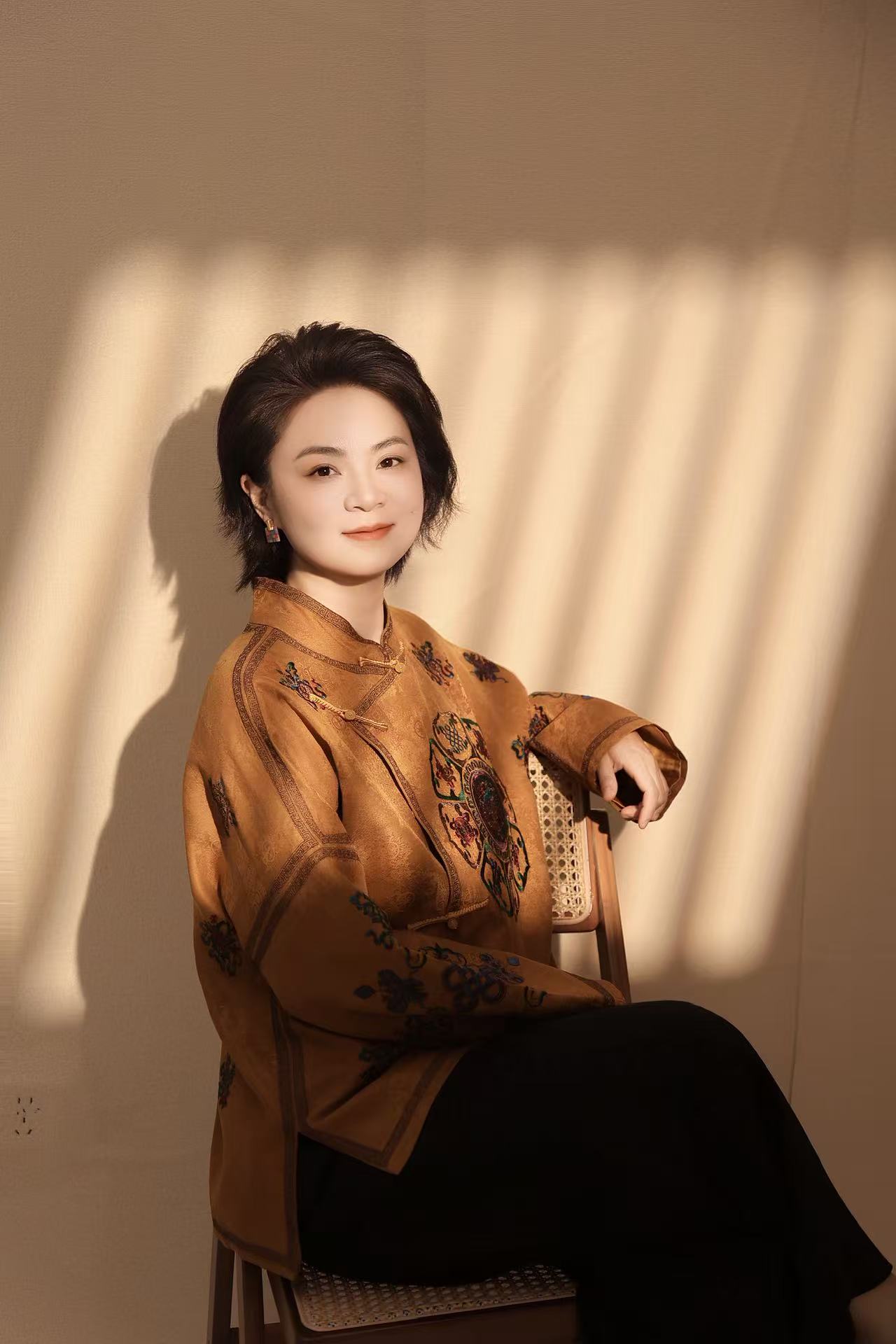
Bio:
Dr. Karen Lau (DMA,DAc, Dipl.Ac., L.Ac.) is an interdisciplinary educator, musician, and clinician whose scholarly and professional work encompasses music performance, psychophysical education, and Traditional Chinese Medicine. Her research and practice investigate the intersections of artistic expression,human movement and biomechanics, and psychophysical processes, with particular attention to how these domains inform embodied approaches to performance, pedagogy, and well-being. Through her teaching, research, and clinical practice, she is committed to advancing interdisciplinary inquiry and fostering meaningful integration across artistic, educational, and therapeutic context.
Musician:
Dr.Lau holds both Master’s and Doctoral degrees in Cello Performance from The Catholic University of America in Washington, D.C. She currently serves as Principal Cellist of the Black Diamond Philharmonic and teaches courses in string performance and related areas at Frostburg State University in Maryland. Her professional work as a performer and educator encompasses a broad range of artistic and academic engagements across Asia, Europe, and the United States. Through her international performance and teaching activities, Dr. Lau has developed a multifaceted professional profile that bridges performance practice, higher education, and cross-cultural artistic exchange.
An Interdisciplinary Educator:
Dr. Lau’s scholarly and pedagogical work reflects a sustained interdisciplinary engagement with psychophysical education, music research, and performance pedagogy. Alongside her work as a musician and educator, she has pursued extensive study of the relationships among bodily awareness, movement, and artistic practice. Since 2014, she has undertaken systematic training in the Alexander Technique and has subsequently attained international certification as an Alexander Technique teacher. In 2023, she was invited to deliver a scholarly presentation on the Alexander Technique at the XIX World. Saxophone Congress in Las Palmas de Gran Canaria, Spain, contributing to interdisciplinary discourse on the intersections of psychophysical education and music performance.
Clinician:
Dr. Lau also a licensed practitioner of Traditional Chinese Medicine and a licensed acupuncturist in the State of Maryland. She holds a doctoral degree in acupuncture, and her clinical research and practice focus on integrative and supportive approaches to oncology care, neurological regulation, pain management, and holistic health and wellness. Her clinical work reflects an interdisciplinary perspective that brings together principles of Traditional Chinese Medicine, evidence-informed practice, and individualized approaches to health and well-being.
We are pleased to welcome Dr. Karen Lau as an instructor in our Alexander Technique program. Through instruction offered in Chinese, participants are introduced to the principles and practical applications of the Alexander Technique while simultaneously developing their Chinese-language proficiency.
By combining Alexander Technique instruction with structured Chinese-language support, the program offers an interdisciplinary approach to learning that cultivates bodily awareness, coordination, and mindful movement while promoting meaningful language development. Participants are thereby encouraged to deepen their understanding of psychophysical well-being while developing greater confidence and proficiency in Chinese.
|
|